
Before committing to a property, look beyond the décor. Consumer units, sockets, alterations and test records can reveal where further electrical checks are sensible. Clear explanations of electrical inspection, testing and compliance for homeowners, landlords and businesses. The aim is to help you understand what a competent electrician is checking and how to act on the findings.
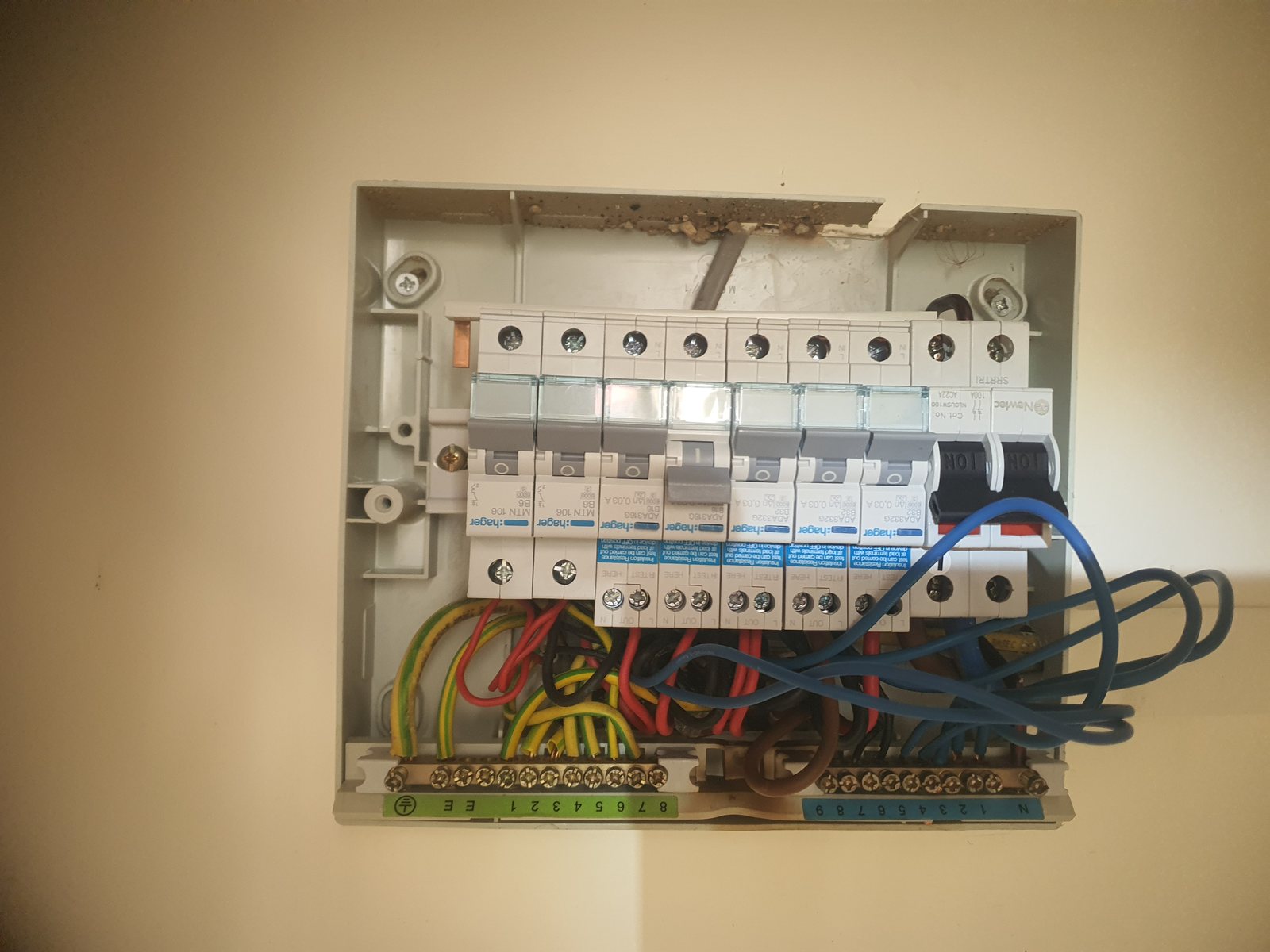
What inspection and testing is trying to establish
Electrical installations deteriorate, get altered and accumulate additions over time. Inspection looks for visible damage, unsuitable equipment and signs of poor workmanship, while electrical tests check characteristics that cannot be confirmed by sight alone.
The objective is to determine whether the installation is safe for continued use, whether protective measures are effective and whether any defect needs urgent repair, improvement or further investigation.
What may be checked
Depending on the scope, an electrician may examine the consumer unit, earthing and bonding, sockets, switches, accessories, circuit identification and accessible wiring. Tests can include continuity, insulation resistance, polarity, RCD operation and fault-loop measurements.
Some parts of an installation may be inaccessible behind fixed furniture, finishes or equipment. Those limitations should be recorded rather than guessed at, which is why good access before an inspection helps produce a more useful report.
Understanding the outcome
A report is more useful when the observations are explained in plain language. Immediate danger is different from a recommendation for improvement, and remedial work should be prioritised accordingly. Where a defect needs further investigation, the next step is targeted fault finding rather than replacing parts at random.
For rented homes in England, current government guidance requires covered landlords to arrange inspection and testing by a qualified person at least every five years, obtain a report and supply it as required. The exact legal position can change, so landlords should check current government guidance when planning compliance.
How to prepare for an inspection
Provide safe access to the consumer unit, meter area and as many sockets, switches and fixed items as practical. Expect temporary power interruptions while circuits are isolated and tested. If areas cannot be reached, tell the electrician before work begins so limitations can be discussed.
Keep the finished report with previous certificates and alteration records. That history can make future inspections faster and helps a new electrician understand what has changed since the last test.
When should you arrange professional help?
If the work involves fixed wiring, repeated tripping, heat, damage, uncertain earthing, a new circuit or safety testing, arrange a competent electrician rather than experimenting. Electrical faults can disappear temporarily and still remain unsafe.
For properties in Milton Keynes, Emergency Electrician Milton Keynes provides inspection, fault finding, repairs and planned installation work. Call 03300 438744 for urgent electrical problems or contact us for planned work.
This guide is general information, not a substitute for an inspection of your installation. Requirements and guidance can change; where legal compliance matters, check the latest official guidance for your property type and circumstances.